



One Year in Sales: Encouragement Over Manipulation
Encouragement: To give support, confidence, or hope in a way that strengthens someone’s ability to make a sound decision.
Manipulation: To control or influence someone unfairly or dishonestly for personal gain.
Before I go any further, I want to say this clearly — I’m not claiming to be an expert. I’m not a sales guru. I don’t have a course. I’m not ten years deep with trophies on a shelf. These are simply things I’ve noticed after one year in the field. One year of knocking doors, sitting at kitchen tables, getting rejected, earning trust, losing deals, winning some, and learning where my own heart can drift if I’m not careful.
Sales is emotionally driven. That much is obvious once you’ve done it long enough. But emotional does not mean dishonest. It means human. And how you handle those emotions — yours and theirs — determines whether you’re encouraging the right decision or manipulating the moment.
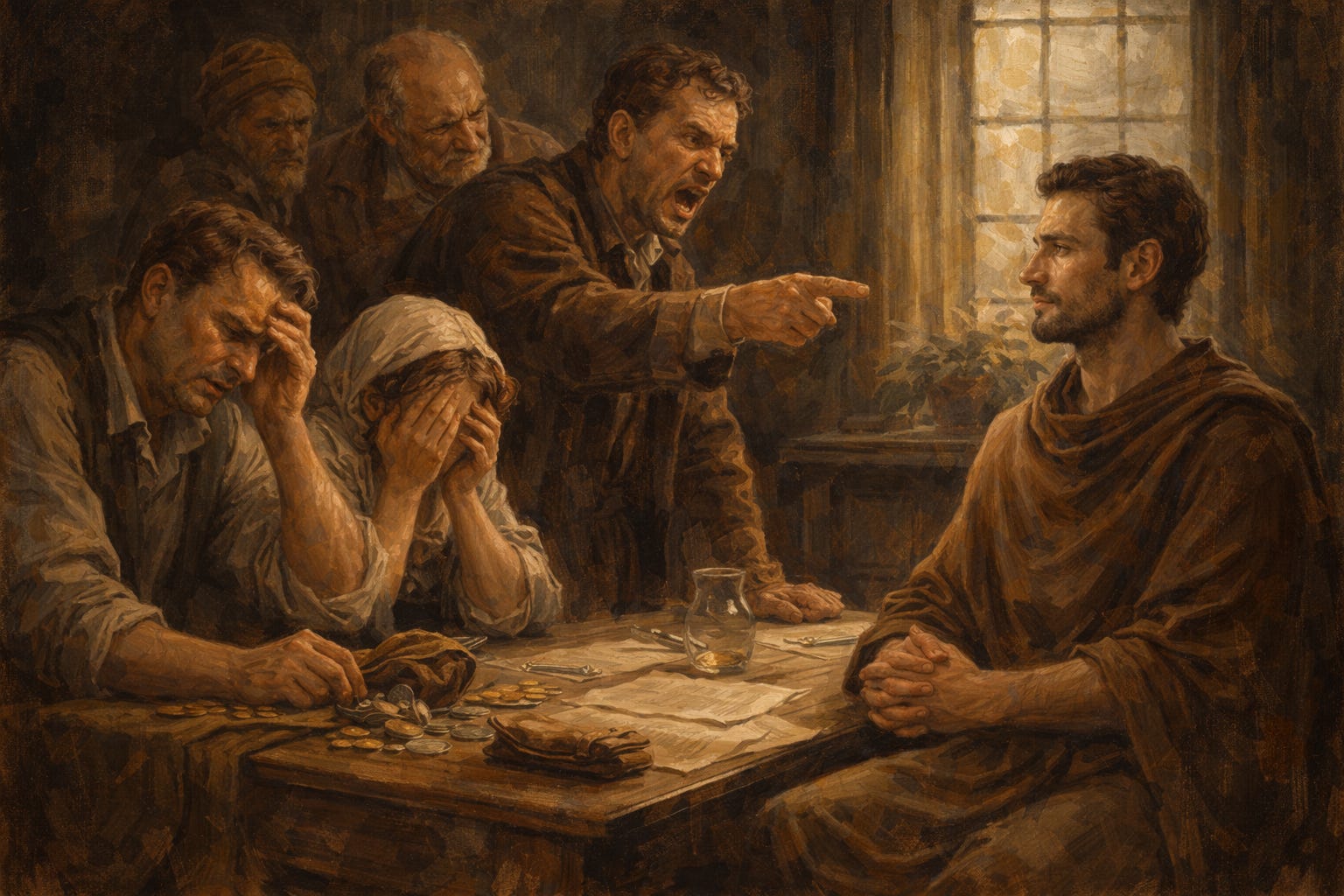
People Are Situational
People are situational. Their mood matters. Their finances that month matter. The argument they had five minutes before you knocked matters. I’ve watched families say they couldn’t afford something and later realize they could once the real concern was clarified. I’ve had people decide within thirty seconds whether they trusted me based purely on presence. I’ve had time wasted. I’ve had expectations that were unrealistic. That’s part of it.
What I’ve noticed is this: people don’t buy products first — they respond emotionally first.
Manipulation sees emotion and presses on it. If someone seems stressed, it increases urgency. “Prices are going up.” “You don’t want this to get worse.” It leans into fear because fear can close quickly. And yes, sometimes it works. But when you corner someone emotionally, you often create regret later.
Encouragement slows down instead of speeding up. It asks questions. It repeats concerns back clearly: “So what you’re really worried about is this becoming a bigger issue later, right?” When someone feels understood, their guard lowers naturally. Encouragement calms instead of inflames.

Open Like a Human
When I first started, I had the one-liners ready. Icebreakers. Clever hooks. About eighty percent of them didn’t work. Why? Because the last ten guys used the same line. People can sense when they’re being worked.
Manipulation performs. It talks at people instead of with them. It treats the conversation like a funnel. It’s thinking about the next line instead of listening to the current sentence.
Encouragement opens simply. It matches tone and pace. If they’re quick, you’re quick. If they’re cautious, you slow down. You’re not there to impress them — you’re there to see if there’s a legitimate problem you can help solve. People decide quickly whether you’re a script or a person.
Solve the Right Problem
The product is rarely the real issue. The real issue lives in their head. Sometimes it’s trust. Sometimes it’s timing. Sometimes it’s fear of poor quality. Sometimes it’s finances.
Manipulation hears, “It’s expensive,” and immediately defends, discounts, or overwhelms with justification. It debates. But most objections aren’t logical attacks — they’re emotional hesitations. When you try to overpower them, you create resistance.
Encouragement treats objections like questions. “Compared to what?” “Is it the price or the timing?” “If the investment felt comfortable, would this solve the problem?” That’s not debating. That’s uncovering. You’re clarifying what actually needs to be solved instead of forcing your agenda.

Present as a Guide, Not a Hero
I’ve noticed something else. The temptation in sales is to flex. To exaggerate experience. To position yourself as the hero who saves the day.
Manipulation leans into that. It oversells results. It subtly communicates, “You’d be foolish not to choose me.”
Encouragement doesn’t need theatrics. It presents as a guide. “Based on what you told me, here’s what I’d recommend.” Then it lays it out clearly: here’s what I’ll do, here’s the timeline, here’s what you can expect when it’s done, and here’s the investment. Calm. Clear. No circus. Guides walk beside. Heroes perform.
Ask for the Sale Without Pressure
Asking for the sale isn’t manipulation. How you ask reveals your motive.
Manipulation corners people. It creates artificial urgency. It makes silence uncomfortable. It pushes because it needs control.
Encouragement asks plainly. “Would you like to move forward with us?” “Should I get you on the schedule?” “Does this option make sense?” If it fits, it fits. If it doesn’t, pressure won’t fix that. Calm confidence carries more weight than intensity.
Handle Objections Like Questions
Objections are usually fear wearing a mask. If you treat them like attacks, you’ll respond defensively. Now it’s a debate. And debates create winners and losers. Sales shouldn’t create losers.
Manipulation argues. It tries to win the moment.
Encouragement leans in. “Help me understand what feels off.” “Is it timing or investment?” When you uncover the real hesitation instead of fighting it, the conversation shifts. You’re guiding clarity, not dominating.

Give Two Clear Paths
People need choice to feel in control. Manipulation presents one option and pressures it. Encouragement gives two honest paths — good and better, repair or replace, now or later. Both viable. Both real.
When someone chooses, they feel ownership. When someone feels cornered, they look for an exit later. Empowered decisions stick. Forced ones unravel.

Close and Confirm
When it’s a yes, encouragement stops selling. Manipulation keeps pushing. “Are you sure?” “You’re confident, right?” That plants doubt where there wasn’t any.
Encouragement confirms next steps, sets the date, and moves forward with quiet confidence. Confidence doesn’t need repetition.
I’m still learning. I’m still refining. I’m not writing this from a pedestal. I’m writing this from experience — from noticing where my own motives can drift if I’m not careful. The truth is, manipulation might close a deal, but encouragement builds a reputation. Manipulation uses emotion. Encouragement respects it. Manipulation chases commission. Encouragement builds trust. And trust compounds longer than any single contract ever will.
Encouraging the right sale means being willing to walk away. If it’s not a fit, you say so. If the timing isn’t right, you admit it. If they don’t need it, you tell them. That’s not weakness. That’s strength. The right sale doesn’t need force. It needs clarity.
Encouragement: Giving support and confidence so someone can make a sound and empowered decision.
Manipulation: Influencing or controlling someone unfairly or dishonestly for personal benefit.
One builds something lasting. The other builds something fragile.
And after one year in sales, that difference matters more to me than any commission ever could.
manipulation is a disease we all deal with everyday. From friends to family and even spouses. If you take a step back and see just how widespread it is, it's a suffocating situation.